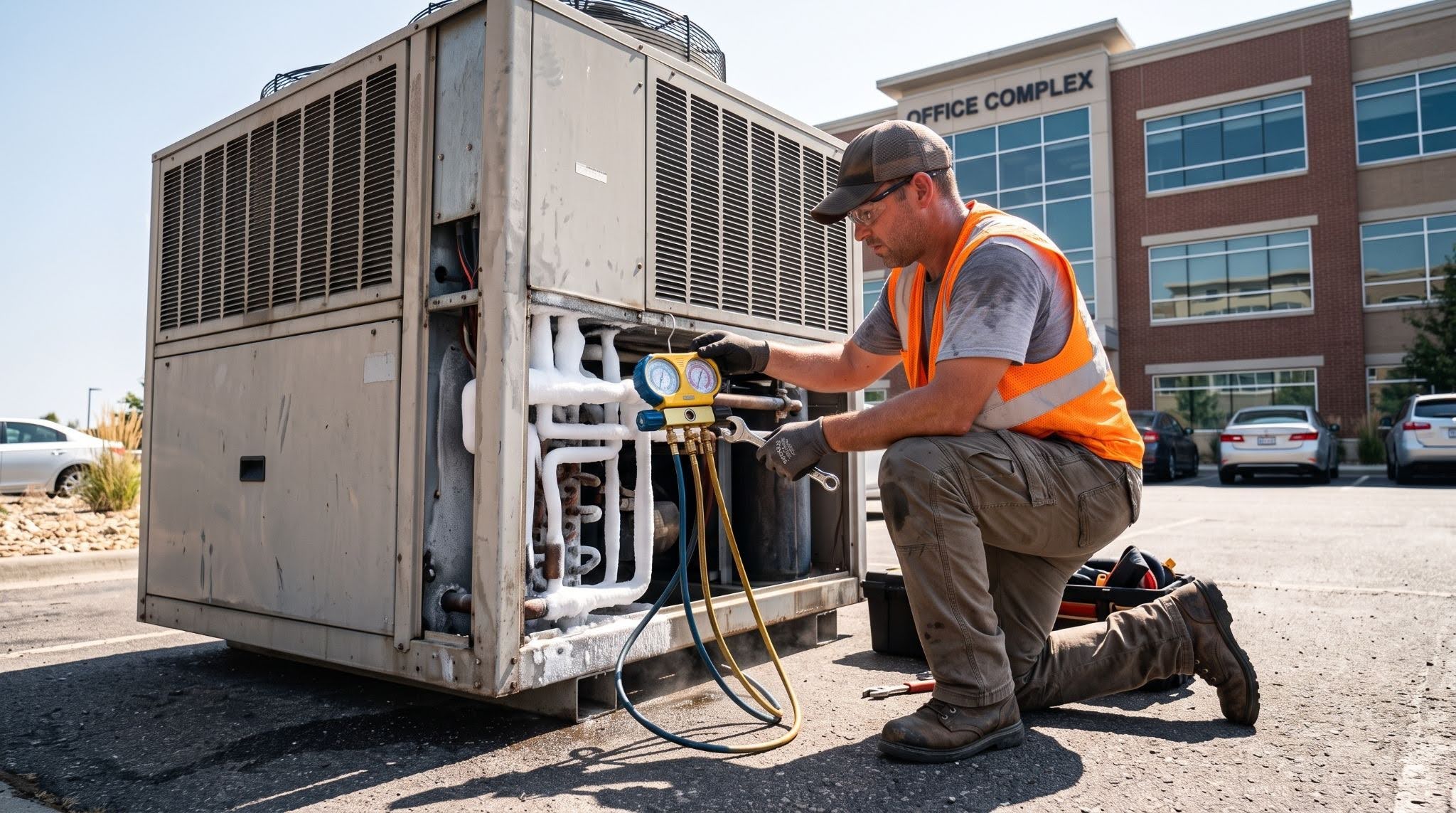
Summer heat exposes the hidden weak points in a building’s cooling system. The office seems normal one moment, and then someone discovers that the air isn’t moving properly. A typical afternoon can become chaotic when a commercial HVAC system breaks down during the hottest part of the day, and facility managers never receive any notice before it occurs.
Common Causes of Commercial HVAC Failures in Summer
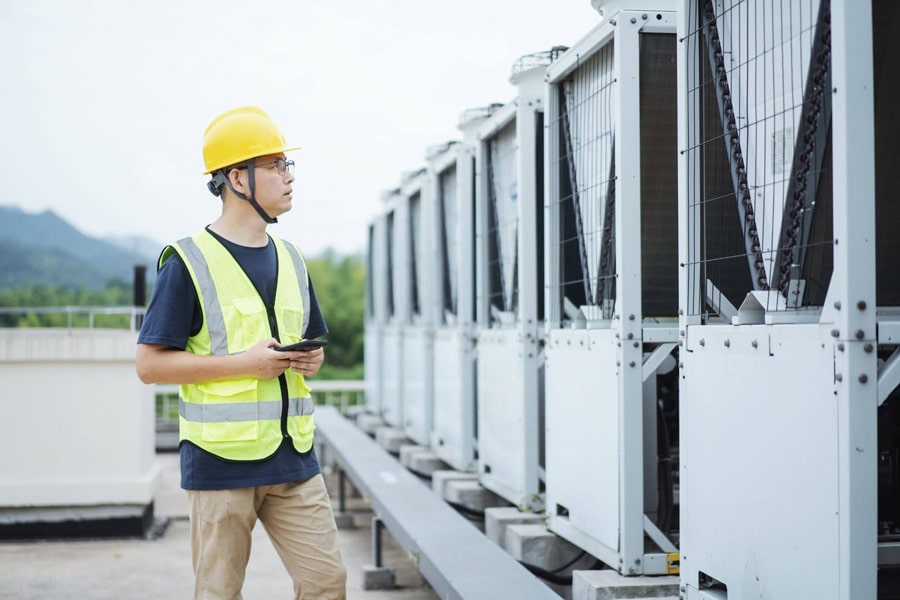
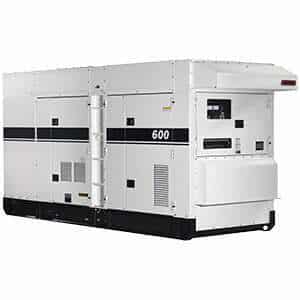
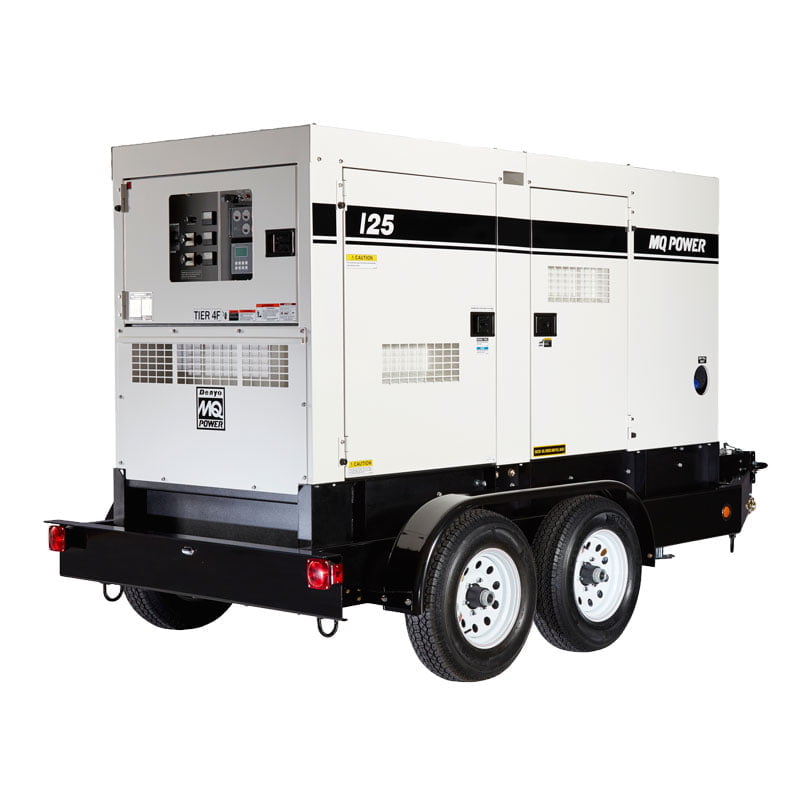
Heat places a heavy load on mechanical systems. Compressors overheat, refrigerant levels drop, and outdated systems can’t keep up with demand as outside temperatures climb. Clogged filters and dirty coils make equipment work harder than it should, which exacerbates the problem. Power surges brought on by storms have the ability to abruptly turn off a unit, depriving a building of air conditioning at the worst possible time.
Another factor is postponed maintenance. When summer temperatures are at their highest, a unit that neglected its spring checkup frequently exhibits its flaws. This danger is increased for older buildings with antiquated systems, since parts become harder to find and repairs take longer to complete.
Immediate Risks to Employees, Equipment, and Operations
When a business HVAC system fails, time is of the essence. Heat stress becomes a serious safety risk in warehouses and manufacturing facilities, and workers in hot buildings quickly lose productivity. Sensitive equipment doesn’t perform much better. Within hours, lab equipment, refrigeration units, and servers can overheat and sustain irreversible damage. Inventory stored in a heated environment might deteriorate or spoil before anyone notices, especially if it is temperature-sensitive. The impact usually gets more costly the longer an institution waits to take action.
Emergency Response Checklist for HVAC Failures
When issues arise, having a list of important steps will simplify the process.
Step 1: Determine the severity of the issue.
Check your control panels and thermostats. Is it just one single unit having trouble, or is the entire system failing? Note any error codes, strange noises, or burning smells to give your maintenance team a head start.
Step 2: Safeguard critical items and zones.
Immediately secure your most important business assets. Move or protect temperature-sensitive areas such as server racks, cold storage, or heat-sensitive production lines. In server rooms, for instance, you can optimize airflow by closing cabinet doors and powering down non-critical workloads to trap cold air and reduce heat buildup.
Step 3: Call your HVAC service provider.
Repair times can vary greatly depending on which parts are broken or which new items are required. Give your service team a call as soon as possible to get on their schedule.
Step 4: Set up interim cooling.
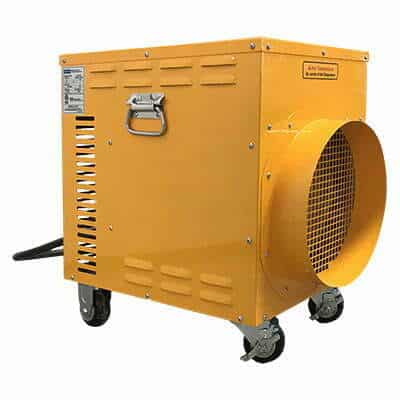
Do not wait for repairs to halt your work. Setting up temporary spot cooling—such as renting portable AC units or placing high-velocity fans in key zones—prevents activities from coming to a complete stop.
When Temporary Cooling Is the Right Solution
While not all HVAC issues require a complete system replacement, almost all failures require a bridge to get through the repair window. Temporary cooling is useful in this situation. From a single server room to an entire warehouse floor, portable air conditioners and mobile chillers can be installed in a matter of hours. While the long-term solution is being worked out, this saves time without requiring a facility to close or shift activities.
Industries Where Cooling Failures Are Especially Critical
Downtime is just unaffordable for many institutions. To safeguard gear and prevent expensive outages, data centers require steady, consistent temperatures. Climate management is essential for safeguarding people, medications, and delicate equipment in healthcare facilities. Heat and humidity-sensitive procedures are frequently used in manufacturing facilities, where even a little interruption can destroy a batch or stop a line. A prompt reaction is essential for these sectors. It makes the difference between a small annoyance and a significant loss.
Fast, Reliable Cooling When You Need It Most
A summer HVAC breakdown doesn’t have to shut down your operation. Mobile Air & Power Rentals provides rapid-response temporary cooling solutions 24/7, helping facilities avoid the worst effects of a commercial HVAC failure while permanent repairs get underway.
Experiencing an HVAC emergency? Mobile Air & Power Rentals is ready to help keep your operations running, day or night. Contact us today to get started.