
Heat doesn’t wait for a good moment. Operations can come to a complete stop in a matter of hours if temperatures spike or your cooling system malfunctions. During unforeseen thermal emergencies, emergency cooling rentals keep your company operating while safeguarding workers, property, and output.
The Real Cost of Heat-Related Downtime
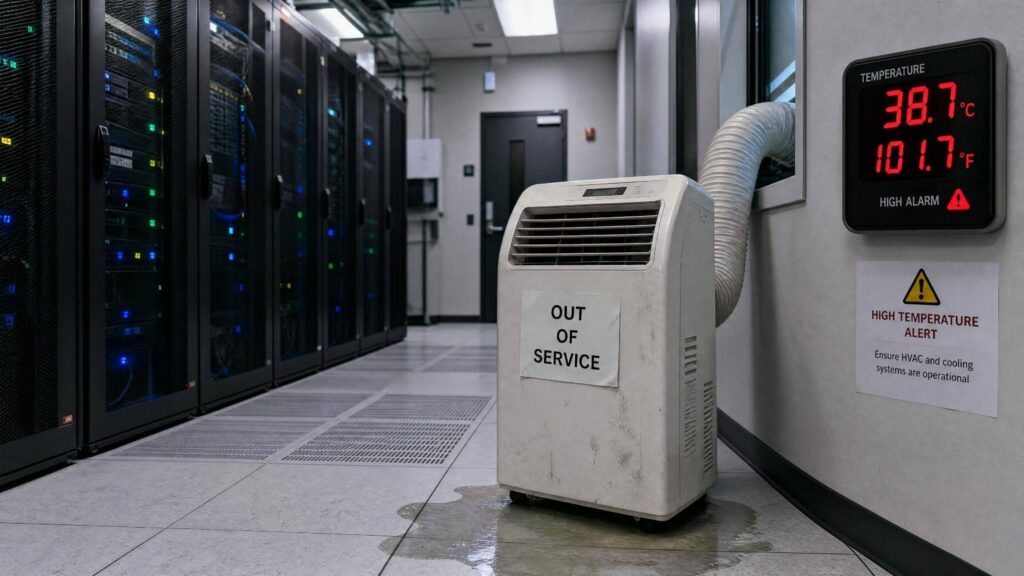
Production stops when factory floors become unbearable. Server rooms overheat and crash. Retail customers walk out of sweltering stores. Each hour without adequate cooling translates to lost revenue, damaged goods, and safety risks.
Business HVAC emergency situations require immediate intervention. It is unrealistic to wait days for permanent repairs when your employees are in hazardous situations or when operations that depend on temperature are at risk. Quick response separates minor disruptions from major financial losses.
When Your Business Needs Emergency Cooling
Extreme weather events push existing systems beyond their limits. Heatwaves overwhelm air conditioning units designed for typical summer conditions. Record-breaking temperatures create urgent needs across entire regions simultaneously.
Even worse, system breakdowns happen without warning. Compressor failures, refrigerant leaks, or electrical problems can disable your cooling overnight. Age and deferred maintenance increase vulnerability, but even well-maintained equipment occasionally fails at the worst possible moments.
Safety compliance drives many emergency cooling needs. OSHA heat safety regulations require employers to protect workers from excessive temperatures. Manufacturing facilities, warehouses, and food service operations face particular scrutiny. Failing to maintain safe conditions risks citations, lawsuits, and worker injuries.
Planned maintenance may even reveal bigger problems than anticipated. What looked like a routine repair becomes a multi-week replacement project. Portable cooling solutions fill the gap during extended repair timelines.
Equipment Options for Different Situations
Spot coolers and portable AC units target specific areas quickly. They work well for small spaces, equipment rooms, or supplementing struggling systems. These units plug into standard outlets and start cooling immediately after delivery.
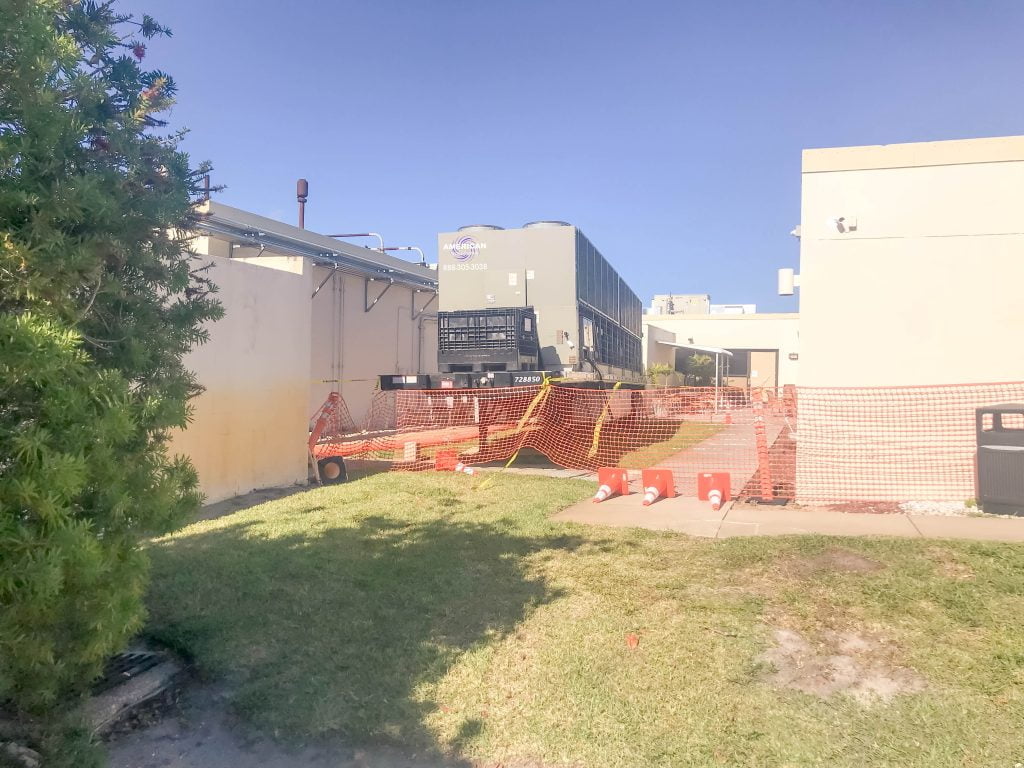
Industrial chillers handle serious cooling demands. Rental chillers provide massive capacity for large buildings, process cooling, or facility-wide climate control. Manufacturing operations with heat-generating equipment often need this level of power.
In arid climates, evaporative coolers provide cost-effective alternatives. Instead of using refrigeration, they employ water evaporation, which uses less energy and effectively lowers the temperature. Low-humidity settings are ideal for these units.
Trailers with refrigeration have two uses. In the event of a facility emergency, they offer enclosed storage space and cooling for temperature-sensitive products. This flexibility is especially advantageous to pharmaceutical and food processing businesses.
Power Considerations and Backup Plans
Reliable electricity is necessary for cooling equipment. Peak heat periods are frequently accompanied by summer storms that cause power outages. Potential electrical failures should be covered by your cooling plan.
Emergency cooling equipment is a fantastic match for generator rentals. Total independence from grid failures is made possible by this combination. Generator sizing is a key factor since industrial cooling solutions demand a lot of power.
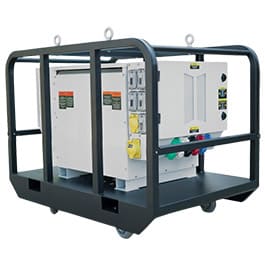
Equipment placement is impacted by electrical capacity limitations. Before placing an order for any particular units, make sure your facility has enough electricity. In order to accommodate big cooling leases, certain buildings require temporary power distribution equipment.
For operations powered by generators, fuel logistics become crucial. Plans for refilling are necessary for longer emergencies. Diesel generators have a long runtime, but during prolonged outages, you require dependable fuel delivery.
Protecting Your Workforce from Heat
OSHA requires employers to take responsibility for preventing heat-related illnesses. Providing cool rest areas, hydration access, and acclimatization periods protects workers legally and ethically. During system failures, emergency HVAC solutions assist in fulfilling these responsibilities.
Heatwave cooling turns from a comfort issue to a health one. In hot conditions, heat exhaustion and heat stroke occur rapidly. Risks are higher for older workers and people with specific medical issues.
Monitoring the temperature aids in spotting hazardous situations. Many facilities track heat index readings throughout their spaces. When readings exceed safe thresholds, additional cooling becomes necessary regardless of system status.
Adjustments to the work schedule go hand in hand with cooling equipment. Heat exposure can be decreased by starting shifts earlier, introducing breaks, or moving employees to cooler regions. Complete protection is achieved by combining these procedures with temporary air conditioners.
Why Response Time Matters
Every hour counts during cooling emergencies. Employee safety deteriorates rapidly in extreme heat, and production losses accumulate quickly when operations stop. Equipment damage occurs when temperatures exceed design specifications.
Nationwide coverage enables faster response across all locations. Companies with multiple facilities need providers who can respond simultaneously in different regions. Industrial manufacturing operations particularly benefit from broad service networks.
24/7 availability distinguishes professional rental providers from others. Heat emergencies don’t follow business hours, and weekend heatwaves and midnight system failures require immediate assistance. Your rental partner should answer calls and dispatch equipment around the clock.
Emergency response is streamlined by existing partnerships. Businesses that find rental suppliers in advance of emergencies receive quicker assistance when issues arise. Delays during real emergencies are avoided by taking care of account setup, site inspections, and equipment specs beforehand.
Planning Ahead for Thermal Emergencies
Before issues arise, smart companies create heat contingency strategies. Determine the most important cooling areas, calculate the equipment needed, and build a rapport with vendors. Because of this preparedness, chaotic emergencies become controlled circumstances.
Frequent system maintenance lowers the likelihood of emergencies, although it does not remove all risks. Eventually, even well-maintained equipment breaks down. Having contingency plans shows that management cares about worker safety and business continuity.
Emergency responses shouldn’t be hindered by financial considerations. Long-term downtime, fines from the government, or accidents at work are far more expensive than rental fees. Consider emergency cooling as a form of insurance against potentially much worse losses.
Don’t let heat disrupt your operations. Contact Mobile Air now for rapid emergency cooling solutions and protect your business when it matters most.