Throughout the country, a spike in construction activity takes place in the spring. Increased daylight and warmer temperatures make it the perfect time to start new projects. However, controlling moisture levels prior to the installation of permanent climate systems is another difficulty brought on by this seasonal rush that many contractors are unprepared for.
Why Moisture Management Can Make or Break Your Timeline
Buildings are at risk due to the gap between outside completion and operable HVAC systems. Humidity control for construction is non-negotiable as soon as interior work begins. Material such as drywall compound cannot properly cure in damp conditions. Flooring adhesives can also fail when the moisture content exceeds the manufacturer’s suggested standards. Paint must be applied under specific weather conditions to prevent bubbling, slow drying, and failed inspections.
Wooden materials expand and contract in response to changes in humidity. To reach design strength, concrete must be cured under controlled conditions. These are not small annoyances. Excessive moisture during the build-out stage can cause expensive material replacement and cause projects to run weeks behind schedule.
The HVAC Gap That Stalls Projects
Permanent climate systems are among the last elements commissioned during construction. Yet, climate control for construction projects becomes necessary much earlier. As mentioned, drywall installation, flooring work, millwork, and finishing trades all require stable environmental conditions. This creates a gap that can span several months.
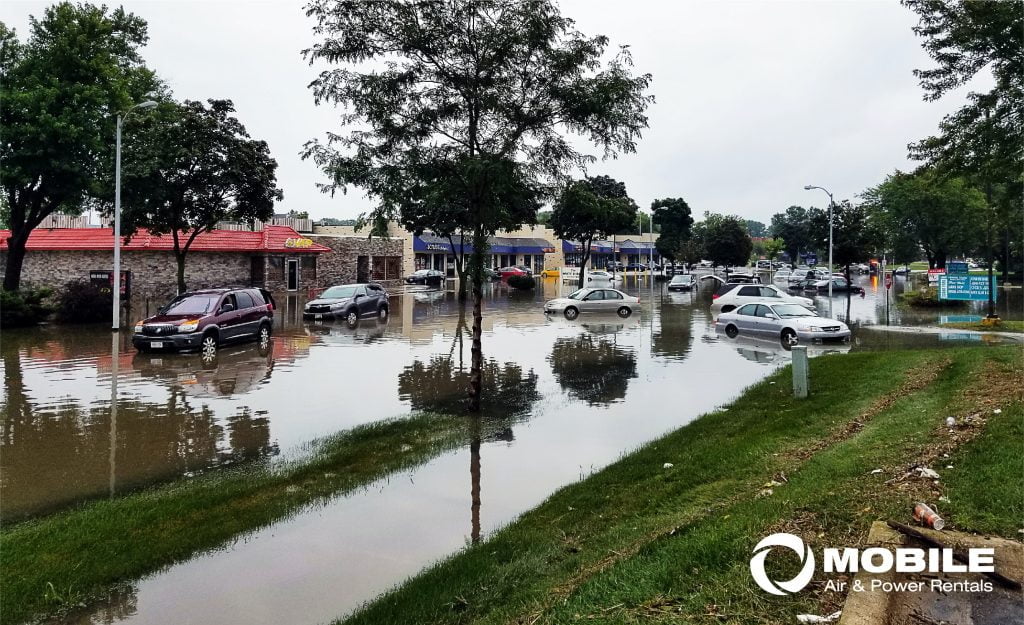
As a result, project managers are in a difficult situation. The building envelope is not yet sealed, but inside trades must continue. Rainfall in the spring raises the surrounding humidity. As the building elements adapt and the concrete continues to cure, the structure itself releases moisture. If nothing is done, relative humidity might rise above 60%, which increases the formation of mold and causes materials to decay.
Temporary Solutions That Keep Work Moving
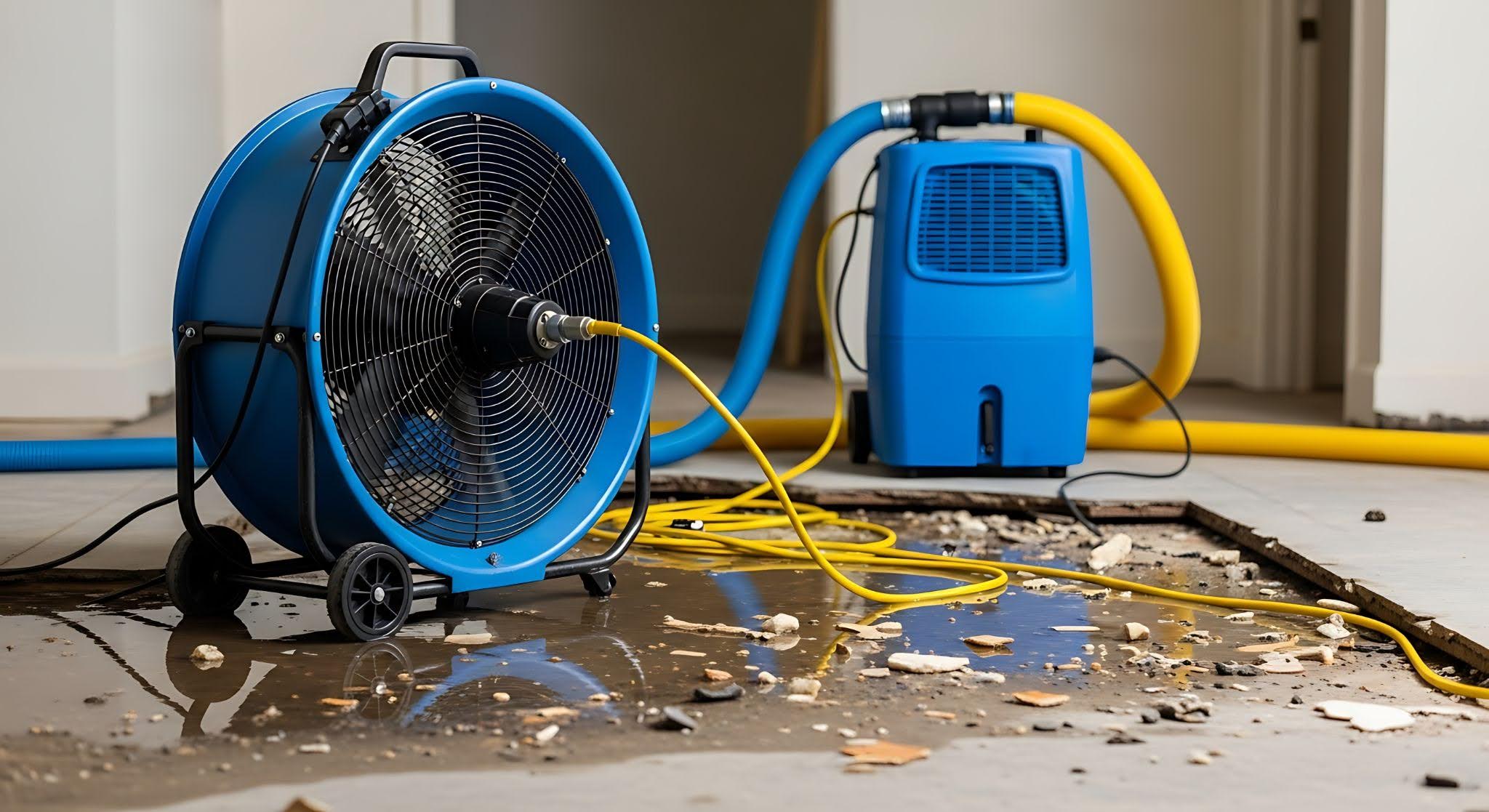
Portable dehumidifiers for construction are an effective solution to this issue. Industrial dehumidifier leasing provides the capacity required for big rooms without incurring the capital cost of acquiring equipment. These machines constantly absorb moisture, keeping the relative humidity in the 40-50% range that most building materials demand.
Construction dehumidifier rental services offer a range of technologies to meet a variety of applications. Refrigerant dehumidifiers, for example, work well at mild temperatures. Desiccant dehumidifiers work well in cooler temperatures or when extremely low humidity levels are required. Some projects require both categories to be deployed concurrently across multiple zones.
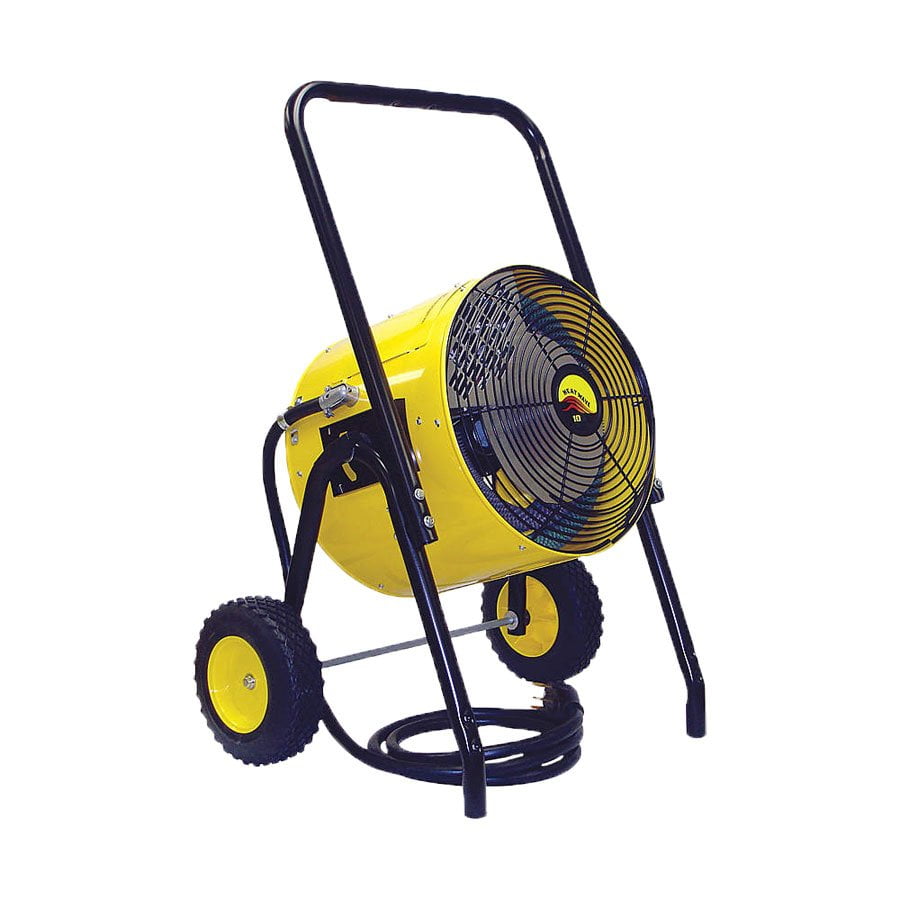
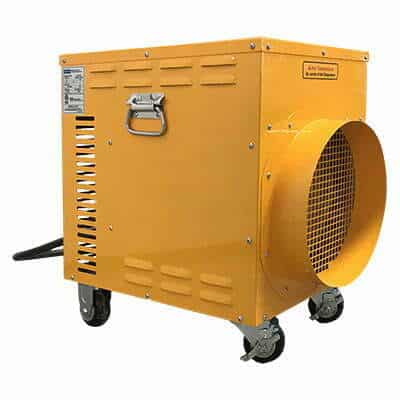
Temporary humidity control for building sites involves more than just deploying a few random units. Proper deployment takes into account building layout, moisture load, and airflow patterns. Strategic location ensures uniform distribution of conditioned air. Contractors frequently mix dehumidification with temporary heating or cooling to ensure appropriate conditions regardless of outside weather.
Powering Equipment Before Utilities Connect
Many sites do not have permanent electrical service during the early interior phases. Construction drying equipment rental packages frequently include generator solutions. When utility hookups are not yet accessible, generator rentals offer the necessary electricity to run climate control equipment. This flexibility enables environmental control to begin as soon as the structure is enclosed.
Mobile generators can power several dehumidifiers in large business settings. Fuel-efficient variants operate continuously with planned refueling. Some rental companies like Mobile Air provide comprehensive solutions, which include equipment delivery, setup, monitoring, and fuel management.
A Real-World Example
At a Midwest commercial office building that is 75,000 square feet, drywall installation was planned for April by the general contractor, well ahead of the July HVAC commissioning. The building’s concrete slab was still seeping moisture, and spring rains kept the outside humidity high.
Eight rented industrial dehumidifiers powered by makeshift generators were installed throughout the building by the project crew. During the installation and finishing of the drywall, they kept the humidity below 50%. Paint crews worked quickly. The installation of the flooring went according to plan with no problems caused by wetness.
Less than 2% of the possible delay costs were covered by the cost of the rental equipment. Humidity-related issues were not found during inspections, and the building remained on time for the scheduled date of occupancy.
Planning Ahead Saves Money and Time
The most successful contractors and projects build temporary humidity control for construction sites into their schedules from the start. They identify phases where environmental control will be necessary. They coordinate equipment deployment with trade schedules. They establish monitoring protocols to verify conditions remain within specification.
Spring’s construction surge does not have to entail moisture problems. Construction temperature control systems enable you to keep schedules regardless of the weather. Renting equipment pays for itself in the form of fewer delays, less material waste, and more efficient inspections. Your permanent HVAC system will go online eventually. Until then, temporary solutions will keep your project going forward.
Need help controlling humidity at your project? Get started early by contacting Mobile Air today!