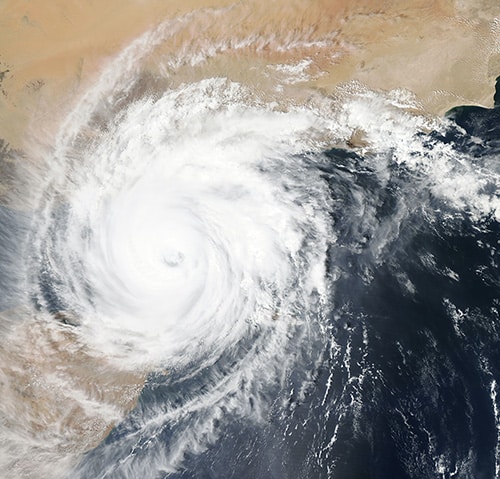

Facility managers have a little window of opportunity to be ready in the spring. Storm season comes quickly, bringing with it equipment damage and power outages that can cause operations to be halted for days or weeks. When extreme weather occurs, facilities that rely on climate control are most at risk.
Planning your emergency cooling solutions now means you’ll have the equipment and support ready when storms hit your region.
How Storms Damage Power and Cooling Systems
Severe weather attacks your facility’s infrastructure from multiple angles. High winds tear apart rooftop units and damage electrical connections. Lightning strikes knock out transformers and circuit panels. Flooding destroys mechanical rooms and chiller equipment at ground level.
When utility power goes down, entire HVAC systems stop. Central air handlers quit running, and chilled water systems lose circulation pumps. Even if your building structure survives intact, you’ll face rising indoor temperatures within hours.
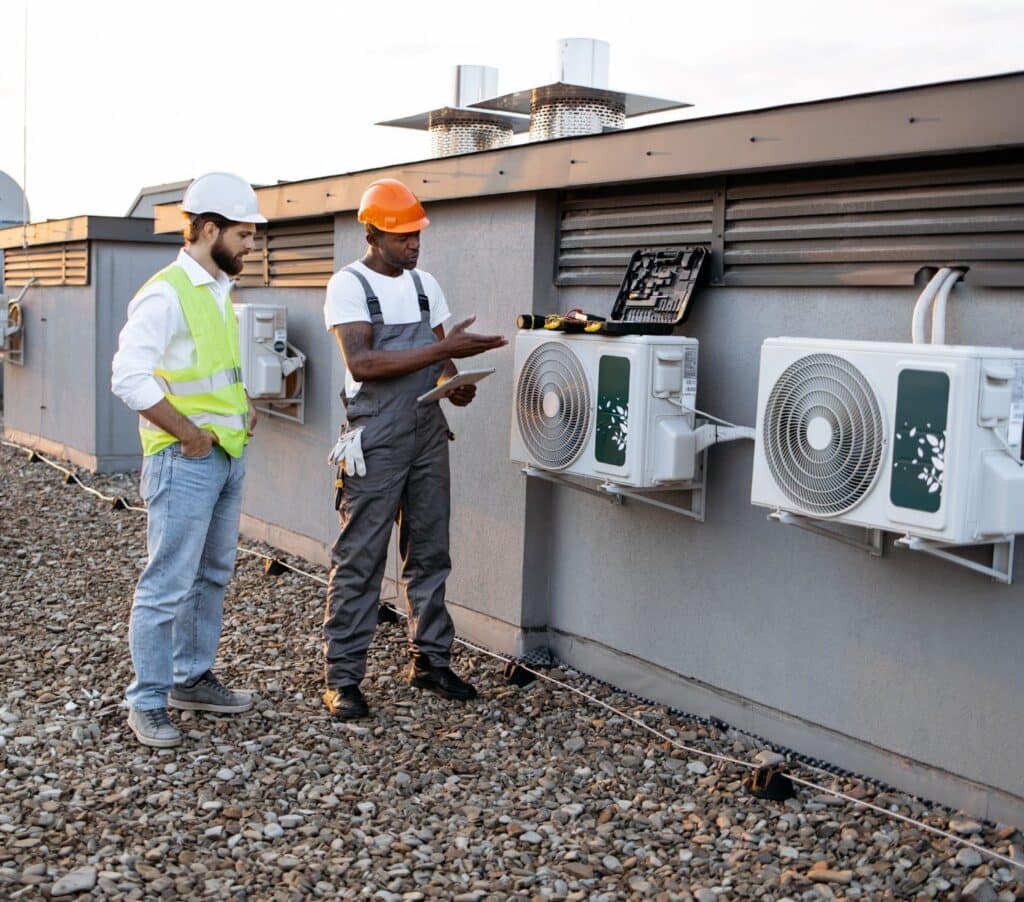
Rooftop equipment takes the worst beating during hurricanes and severe storms. Wind-driven rain floods electrical cabinets. Flying debris punctures refrigerant lines while unit frames are irreparably twisted and bent. While you wait for new parts, a single damaged rooftop unit may prevent the cooling of a full floor or wing for weeks.
Temporary Chiller Rental and Portable Cooling Options
Portable chiller units bridge the gap between equipment failure and permanent repairs. These systems arrive on trailers, ready to connect to your existing distribution network. Units can be operational within hours of delivery if the rental source is qualified.
Renting a temporary chiller is ideal for maintaining operations during a central plant failure, repair, or replacement. It also provides essential supplemental capacity if a single unit fails or backup cooling if power interruptions damage primary equipment.
Temporary chiller rentals include small units handling individual zones up to industrial-scale systems cooling entire buildings. Technicians connect them to your chilled water loops or set them up as standalone systems with air handlers. The rental company handles installation, startup, and ongoing maintenance throughout the emergency period.
Smaller spaces need different solutions. Portable air conditioning units work well for server rooms, medical equipment areas, or production zones. These self-contained systems require only electrical power and exhaust venting. You can move them between rooms as needs change.
Powering Cooling Equipment When the Grid Fails
When storms disrupt utility service for prolonged periods of time, renting an emergency generator becomes critical. Your chiller and HVAC systems use a lot of electricity. Calculating the total electrical load plus startup surge capacity is necessary to determine the appropriate generator size.
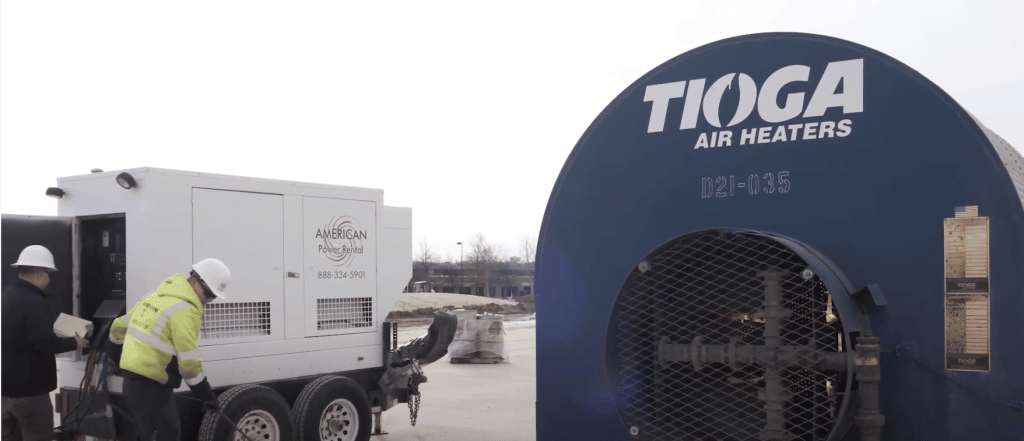
Storm recovery power rental serves two purposes. First, it keeps cooling systems running during the outage itself. Second, it powers equipment needed for cleanup and repairs once the storm passes. Generator rentals range from small units running individual air conditioners up to megawatt-class systems supporting entire facilities.
Pairing generators with cooling equipment takes planning. Chillers pull heavy electrical loads when compressors start. Air handlers need consistent power for fans and controls. A rental provider familiar with emergency power solutions can size generators properly and provide load banks for testing before storms arrive.
Many facilities use industrial chiller rental units specifically designed to run on generator power. These systems include soft-start controls that reduce electrical surges. They can operate efficiently even when the generator voltage fluctuates. The rental company coordinates equipment specifications so chillers and generators work together.
Managing Post-Storm Moisture and Humidity
Flooding creates problems that last long after the water recedes. Moisture soaks into walls, floors, and equipment. Without quick action, mold grows within 48 hours, and electronic equipment corrodes.
Dehumidifier rentals pull moisture from the air and speed drying of building materials. Large commercial units process thousands of cubic feet per minute. Technicians position them strategically to create airflow patterns that dry out entire floors or wings.
Dehumidification is frequently included in the cooling process of temporary HVAC rental equipment. Moisture condenses out of the air as chillers cool it. This dual-purpose shield protects equipment from humidity damage and speeds up facility recovery. For buildings devastated by flooding, industrial cooling rentals can be set up specifically to remove moisture.
Preparation Steps Before Storms Approach
When the weather is quiet, proactive facility managers get ready to guarantee quick deployment when it counts most.
- Secure Logistics Early: Discuss cooling and power requirements with Mobile Air prior to storm season. To guarantee equipment availability when local demand surges, obtain quotes early on.
- Infrastructure Audit: Keep track of connection points, circuit capabilities, and electrical panel locations. Determine parking spaces in advance that have easy access to building pipes for trailer-mounted chillers.
- Test and Train: Test generator connections and make sure chilled water systems can accommodate temporary units on a regular basis. To make sure everyone on your maintenance crew is aware of their responsibilities in an emergency, conduct deployment simulations.
Start Planning Your Storm Season Response
Don’t wait for weather warnings to begin preparation. Facilities across the Gulf Coast and Atlantic seaboard face months of elevated storm risk. The time you invest now in planning emergency generator rental and temporary chiller rental strategies pays off when severe weather arrives.
Contact Mobile Air today to discuss your facility’s specific needs and lock in equipment availability before storm season peaks.