The majority of construction schedules take into consideration equipment logistics, subcontractors, and material deliveries well in advance of the start of construction. As an afterthought, temporary cooling is something to consider, not if, but when it becomes an issue.
That blind area quickly becomes costly. When internal conditions are destroying materials, delaying trades, or preventing equipment testing, crews discover this too late. The timeline has already slipped, and expenses have increased by the time you’re rushing to find temporary chillers for construction.
When something goes wrong, temporary chiller systems are not the emergency equipment you call.
They cover the crucial months on large projects between the need for climate control and the safe operation of permanent HVAC. Hold off until issues arise, and you’re working under pressure to find solutions as deadlines pass.
The Window Where Cooling Matters Most
New construction reaches a point where open windows and fans can’t maintain workable conditions. Interior finishes start going in. Sensitive equipment arrives. Testing windows get locked down. All of this unfolds while the permanent HVAC sits installed but unusable.
Skip planning for this transition, and problems multiply fast. Paint refuses to cure when humidity pushes past 60%. Flooring warps beyond tolerance in uncontrolled heat. Hospital wings can’t commission medical equipment when temperatures run 10 degrees above manufacturer limits. Data centers and labs face even tighter constraints where temperature swings can compromise systems before they ever go live.
Running permanent equipment during active construction only creates worse problems down the road. Ductwork sits exposed to drywall dust and debris. Fire up that system prematurely, and you’re facing warranty voids and maintenance issues that haunt the building for years.
Where Planning Breaks Down
Early schedules make the assumption that permanent systems will be available sooner than is practical. Temporary infrastructure is treated as optional in budget discussions. Then there are supply chain delays. Due to backordered controllers, permanent HVAC installation has been delayed. Because control sequences cannot be tested while interior temperatures fluctuate by 20 degrees every day, commissioning takes place over a period of two weeks to six weeks.
These days, emergency rentals are replacing planned infrastructure as the cooling solution for building sites. Whatever equipment is available gets grabbed, often without proper load calculations. Even when projects spend top dollar for subpar equipment, the timeline still suffers.
How Temporary Chillers Support the Construction Timeline
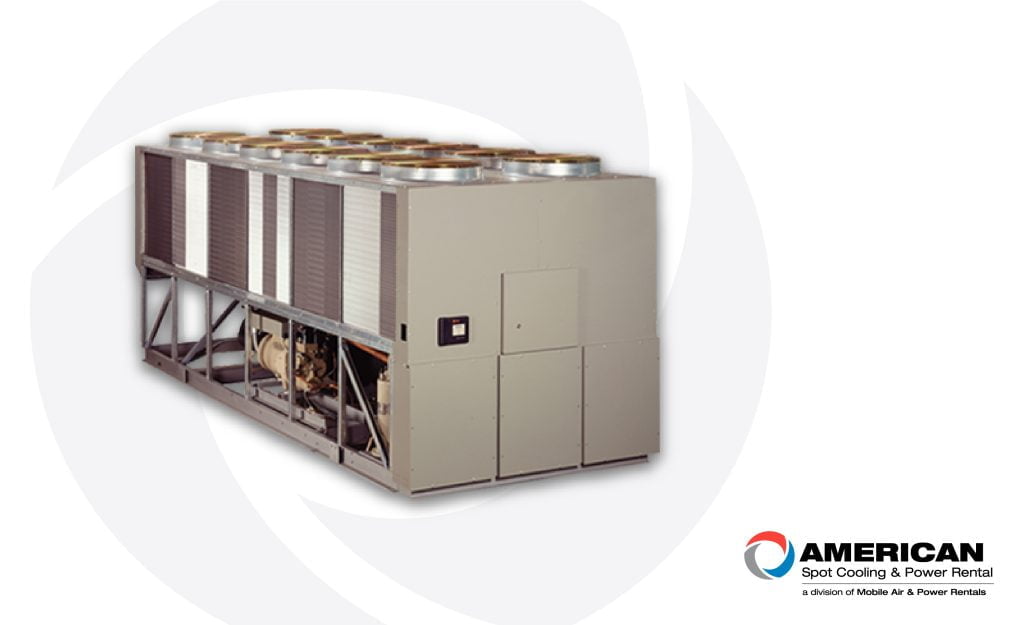
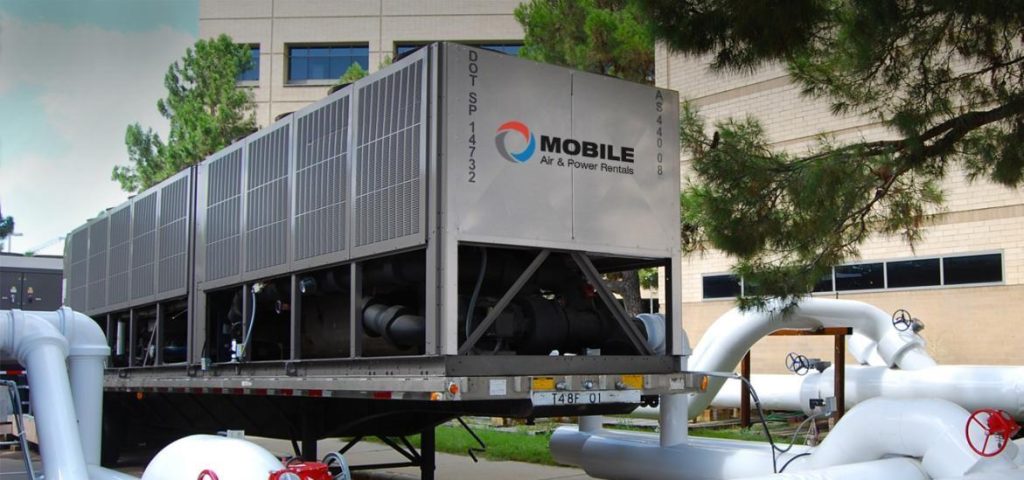
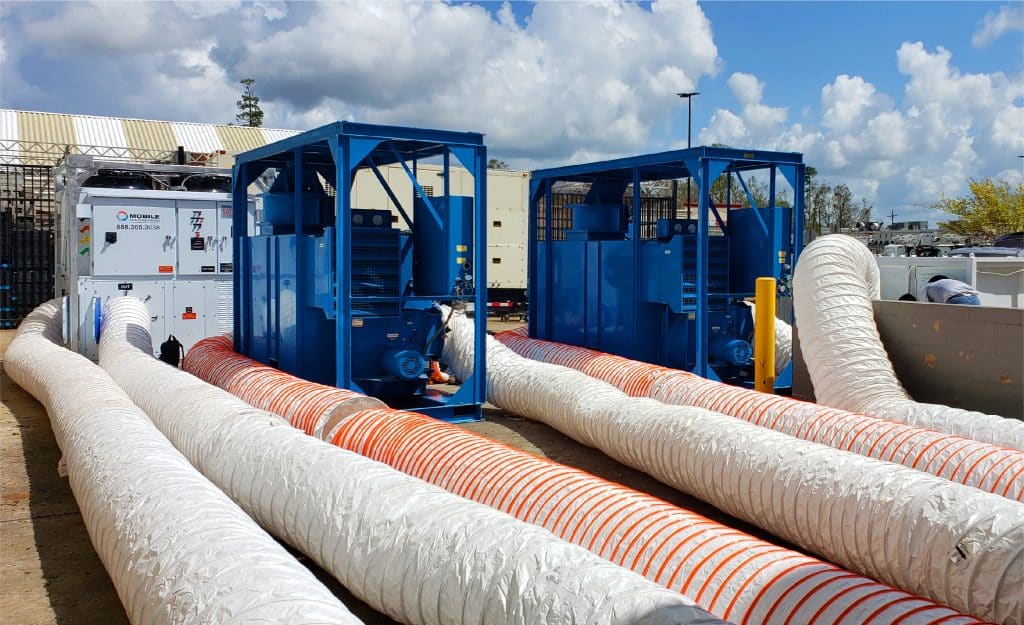
Chiller-based temporary cooling for new construction scales to match what projects actually need. A portable device can target particular areas where the climate is most important or cool the whole floor. The system operates totally independently of permanent infrastructure and is connected to temporary ductwork or air handlers.
With this configuration, you can conclude stages without interacting with the permanent HVAC system and maintain consistent humidity and temperature. On time, concrete cures. Millwork and cabinets maintain their dimensional stability. When environmental conditions are met, equipment testing proceeds.
Stable circumstances are also necessary for commissioning work. For engineers testing control sequences to produce accurate results, consistent surroundings are necessary. By providing chiller support during commissioning, the risk of operating new equipment too soon in a construction site is reduced while permanent systems are being tested.
What Changes When You Plan Ahead
The scramble is avoided by projects that incorporate temporary cooling into the plan from the beginning. Instead of using whatever is available the following day, equipment is sized according to actual load calculations. Enough time is allotted for installation so that ducting connections, placement logistics, and power outages can be appropriately planned.
The work is completed on time. Completed trades continue to proceed. When scheduled, commissioning takes place. Long-term performance and warranties are safeguarded by the clean, controlled startup conditions of permanent systems.
Questions That Should Get Answered Early
When does the schedule become determined by internal conditions? After the construction envelope closes, a high-rise may require cooling. As soon as server racks arrive, which is frequently months before the permanent systems commission, a data center remodel needs strict management.
How much time will pass between the need for climate control and the safe operation of permanent HVAC? The majority of initiatives have a three- to six-month timeframe. This gap is foreseeable during planning due to supply chain lead times, commissioning schedules, and the phasing of construction activities.
Respond to them during scheduling, not after the completion of the task has already stalled. Short-term chiller systems are not backup plans. When permanent systems are not yet available, they serve as infrastructure to support the construction schedule.
Treating Cooling as Infrastructure, Not Emergency Equipment
General contractors and project managers who integrate cooling during the construction phase into schedules rather than treating it as backup keep projects moving forward. Construction cooling planning should happen alongside other critical infrastructure decisions. Plan for them early, and they support the schedule instead of disrupting it when problems force your hand.
Be proactive by contacting Mobile Air & Power Rentals today.