What Happens When a Commercial Chiller Fails? An Emergency Response Guide for Facility Managers
A chiller going down rarely picks a convenient moment. One minute the building is humming along, and the next, temperatures are climbing while phones start ringing. For hospitals, manufacturing plants, data centers, and other operations that depend on steady temperatures, a sudden commercial chiller failure can turn into a costly, high-pressure situation fast. Knowing what to do in the first hour and who to call often determines whether the day ends in a minor inconvenience or a major loss.
Common Causes of Commercial Chiller Failure
Chillers fail for a mix of mechanical, electrical, and environmental reasons. Refrigerant leaks are among the most frequent culprits, slowly robbing a system of its ability to cool. Compressor burnout is another common cause, often triggered by years of wear or a lack of routine servicing. Electrical issues, including tripped breakers or failing capacitors, can shut a unit down without warning.
Clogged condensers, worn bearings, and control system glitches round out the list. Age plays a role too. Older equipment simply breaks down more often, and when it does, replacement parts can take weeks to arrive.
Warning Signs Your Chiller May Be About to Fail
Most chillers give some warning before they quit entirely, though the signs are easy to miss if nobody’s watching for them. Rising discharge temperatures, unusual noises, and frequent short cycling are early red flags. Operators might also notice water leaks near the unit, higher energy bills, or inconsistent cooling across different zones of a building.
A chiller that trips its safety controls more than once in a short window is telling you something. Catching these signs early gives facility teams time to arrange backup cooling before an actual shutdown forces their hand.
Immediate Steps to Take After a Chiller Breaks Down
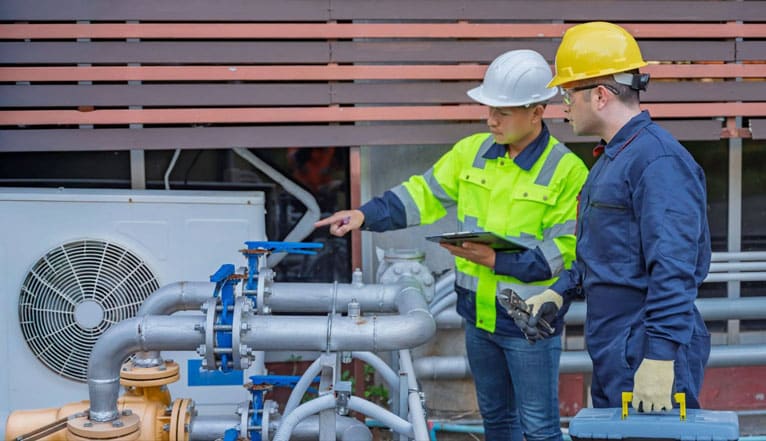
Once a chiller fails, the clock starts running. The first move should be assessing how much time the facility has before temperatures become a problem for people, products, or equipment. Data centers might have minutes; a warehouse storing dry goods might have hours. Next, contact the maintenance team or service contractor to diagnose the issue and estimate repair time.
If the fix will take longer than the building can safely wait, it’s time to look into a temporary chiller rental rather than gambling on a quick repair. Document the failure for insurance purposes, and communicate with staff or tenants early so nobody is caught off guard.
When a Temporary Chiller Rental Is the Right Call
Repairs sometimes take days, and specialty parts can take even longer. That gap is exactly where a temporary chiller rental earns its keep. Rental units can be delivered and connected while the permanent system is being fixed or replaced, keeping operations running in the meantime.
This approach makes sense during major repairs, planned equipment upgrades, seasonal demand spikes, or any situation where downtime simply isn’t an option. An emergency chiller rental also buys facility managers breathing room to make a smart decision about the permanent fix instead of rushing into one.
How Temporary Cooling Protects Operations and Minimizes Downtime
The real value of temporary cooling solutions isn’t just avoiding discomfort. It’s protecting revenue, product, and safety. Manufacturing lines that rely on precise temperatures can spoil batches or damage equipment within hours of losing cooling. Hospitals risk patient safety and equipment failure. Data centers face the threat of server shutdowns and lost data.
A well-planned emergency cooling rental bridges that gap, keeping conditions stable while the permanent system gets sorted out. For many facilities, the cost of a rental is small compared to what a single day of downtime would cost.
How Mobile Air Engineers Cooling Solutions for Every Facility Type
No two facilities cool the same way, which is why a one-size-fits-all rental unit rarely solves the problem well. Mobile Air’s team looks at square footage, heat load, facility layout, and operational priorities before recommending equipment. A hospital might need chillers paired with backup power, while a manufacturing plant might do better with a combination of portable air conditioners and supplemental airflow.
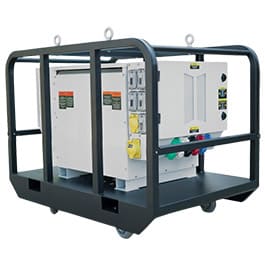
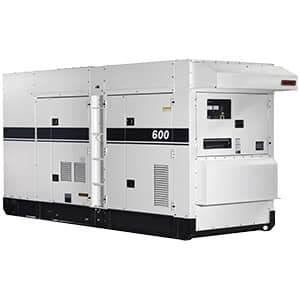
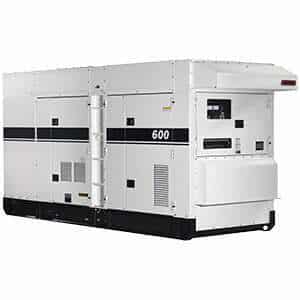
Some jobs call for cooling towers, air handlers, or even generators when the site has no reliable power source nearby. Our engineered solutions are built around the specific building, not a generic template, which is what separates a lasting fix from a temporary patch that fails again next week.
What to Expect During an Emergency Chiller Rental Deployment
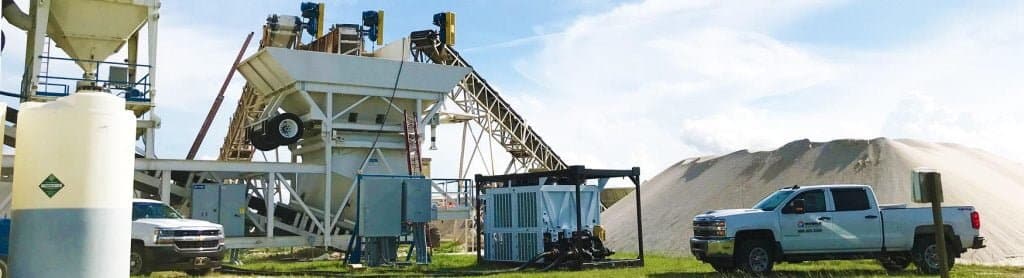
Speed matters most once a chiller has already gone down. Mobile Air operates around the clock, and our 24/7 emergency service team can typically get equipment moving within hours of the first call. A technician will confirm the facility’s cooling needs, select the right unit size, and coordinate delivery and setup, often working alongside onsite maintenance staff.
Nationwide reach means equipment doesn’t have to travel far to reach most job sites. Customers should expect clear communication throughout, from the initial call to the moment the temporary system is running and stable.
Reducing Future Chiller Failures Through Planning and Maintenance
Prevention beats emergency response every time. Regular inspections catch small issues, like a slow refrigerant leak or a worn belt, before they turn into a full shutdown. Facility teams should also keep an updated emergency plan on hand, including contact numbers for industrial cooling rental providers and a rough idea of backup equipment needs.
Reviewing our earlier guide on calculating the right size for temporary cooling equipment is a smart next step for teams building out that plan. Budgeting for aging equipment replacement, rather than waiting for it to fail outright, also saves money and stress down the road.
Get Cooling Back Online Fast
A failed chiller doesn’t have to mean a shutdown. Request a quote or call our 24/7 emergency line to get a temporary chiller rental moving toward your site and restore cooling before downtime becomes a bigger problem than the original breakdown.