Keeping tenants comfortable all year long is part of property management. You need quick fixes when heating or cooling systems abruptly fail. Property managers can manage emergencies with temporary HVAC rentals without having to make significant capital expenditures or deal with prolonged outages.
Why HVAC Preparedness Matters for Property Managers
Tenant retention and satisfaction are directly impacted by the climate control in your building. Immediate issues arise from a malfunctioning furnace in the winter or a faulty air conditioner in the summer. Work productivity declines, tenants complain, and your reputation suffers. Having a contingency plan keeps these problems from turning into catastrophes.
Property manager HVAC solutions through rentals let you respond quickly when problems arise. You maintain comfortable conditions while permanent repairs happen in the background. This approach keeps everyone happy and your property running smoothly.
Common Scenarios Requiring Temporary Equipment
System failures happen without warning. Age, poor maintenance, or unexpected mechanical issues can knock out your HVAC overnight. Rather than rushing into expensive emergency repairs or leaving tenants uncomfortable for weeks, rental equipment bridges the gap.
Seasonal demand spikes create another challenge. Summer heat waves can overwhelm older systems. Winter cold snaps might reveal heating inadequacies you didn’t know existed. Rental chillers and heaters supplement your existing infrastructure during peak periods.
Renovations and upgrades may also require shutting down parts of your system. Tenants still need climate control during construction. Portable units maintain comfort in affected areas while you improve the building’s permanent systems.
Your HVAC system may not be able to keep up with building expansions. Increased loads are handled by temporary units until your permanent equipment can be properly sized, which keeps newly filled spaces from becoming uncomfortable.
Types of Rental HVAC Solutions
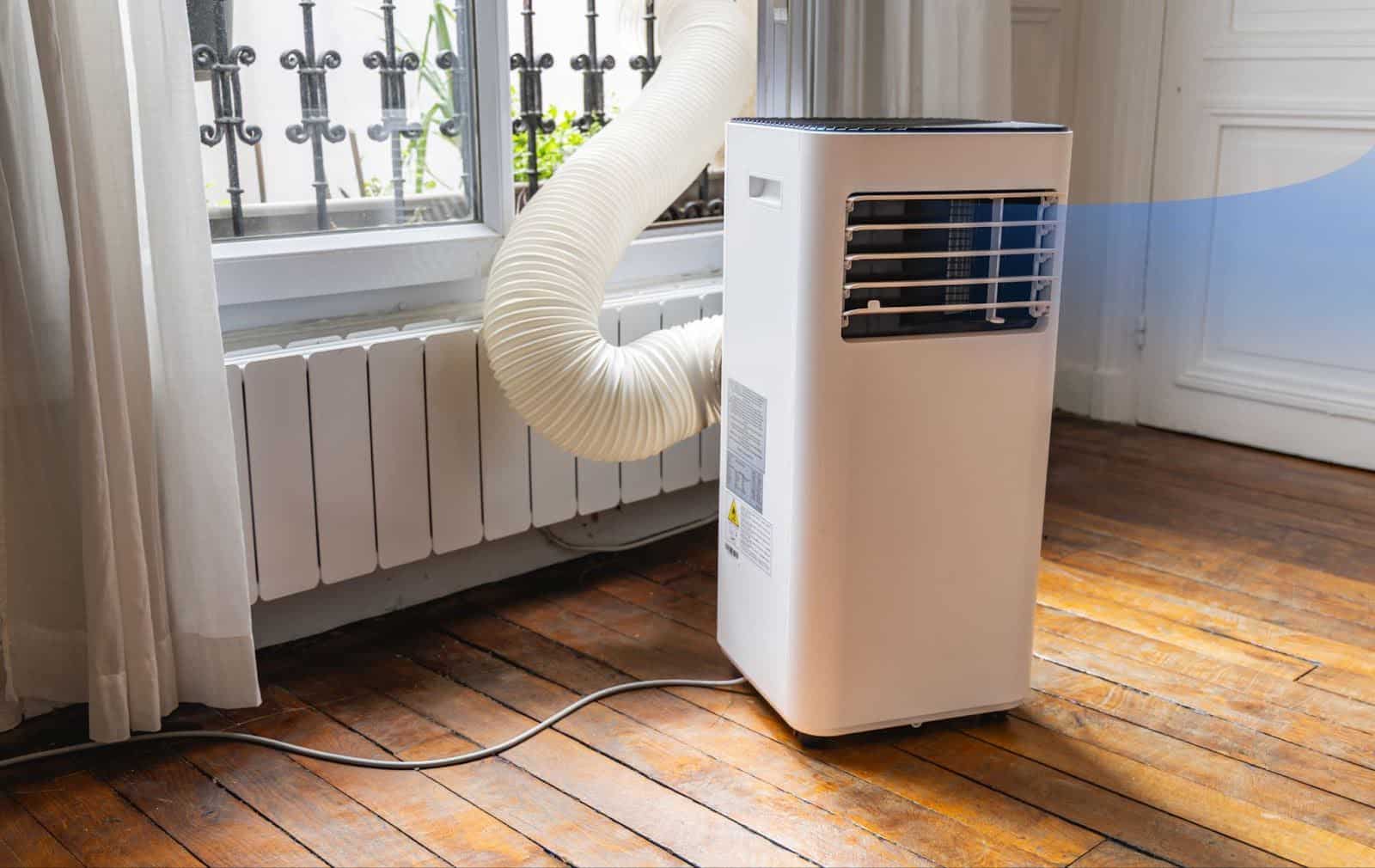
Portable air conditioners work well for individual rooms or small zones. They’re easy to install and move as needs change. These units handle spot cooling when your main system struggles or fails completely.
For bigger areas, chillers offer significant cooling power. When several floors or entire buildings require support, they are perfect for commercial HVAC rental scenarios. These high-end devices efficiently manage heavy cooling demands.
Heaters come in various sizes for different applications. From small portable units to large trailer-mounted systems, heating rentals keep your property warm during equipment failures or unusually cold weather.
Dehumidifiers address moisture problems that affect comfort and building integrity. Excess humidity damages finishes, encourages mold growth, and makes spaces feel uncomfortable even at normal temperatures.
Cost and Logistics Considerations
The size of the equipment, the length of the rental, and the need for delivery all affect the cost. The majority of providers have weekly or daily fees while the cost of longer rentals is frequently lower.
When creating a budget, account for the expenses of delivery, installation, and pickup. Larger pieces of equipment, such as chillers, require professional installation. An ineffective setup might lead to safety risks and decreased efficiency.
Power requirements vary by equipment type. Before investing in any particular units, be sure your building can provide sufficient electrical service. Certain larger systems require specific connections or circuits.
Equipment location is influenced by space considerations. Large air conditioners and chillers need access to a loading dock or an outdoor area. When you need equipment rapidly, plan your logistics in advance to prevent delays.
Best Practices for Working with Rental Providers
Build relationships with reliable rental companies like MAPR before emergencies strike. Research providers who serve commercial buildings in your area. Understanding their inventory and capabilities helps you respond faster when problems occur.
Look for 24/7 support and rapid response times. HVAC emergencies don’t follow business hours. Your rental partner should offer round-the-clock technical assistance and quick equipment deployment.
Discuss your building’s specific needs upfront. Share details about square footage, typical occupancy, and any special requirements. This information helps providers recommend appropriate equipment sizes and configurations.
Clearly communicate planned projects and building maintenance schedules. Regular check-ins with your rental provider to discuss future requirements and seasonal preparations should be part of your HVAC rental guide.
Stay Ahead of Tenant Needs
Smart property managers anticipate HVAC issues before they become emergencies. You can keep tenants comfortable while repairs, upgrades, or unplanned malfunctions are being made with temporary HVAC rentals. You can maintain occupant satisfaction without incurring the financial burden of an early system replacement.
Stay ahead of tenant needs with temporary HVAC rentals. Contact Mobile Air today for fast, reliable equipment and expert support.