Your entire business could be shut down by an unexpected HVAC malfunction during a cold spell. Equipment becomes frozen, pipes burst, and production stops. While repair teams are working around the clock, water damage spreads throughout your building. What begins as a heating issue swiftly escalates into a crisis involving corporate continuity.
Every winter, these risks affect facilities in all industries. Production time is lost in manufacturing facilities, and orders cannot be shipped by the warehouses. Beyond just repair costs, the financial impact also includes lost income, overtime expenditures, and possible reputational harm. When your primary heating system breaks, an emergency heating rental offers a quick response to get operations back up and running.
Why Frozen Pipes and Equipment Downtime Occur
As temperatures drop below 32°F, pipes freeze, especially in areas with poor insulation or no heat. Outside walls, crawl spaces, and mechanical rooms are the most susceptible regions. Water expands and creates pressure when it turns into ice, splitting pipes and fittings. A single ruptured pipe can cause hundreds of gallons of water to flood your area every hour, destroying inventory and equipment.
When machinery is unable to operate correctly due to cold conditions, equipment failures occur. Hydraulic fluid thickens and slows down. Batteries lose their ability to be charged. Control systems cease to function properly. On delicate electronics, moisture builds up and leads to failures. These issues worsen when buildings encounter abrupt temperature reductions due to heating system failures.
Even facilities with functioning primary heating often have trouble spots that never get warm enough. Loading docks remain cold because personnel open doors throughout the day. Remote sections of the warehouse stay cold when heating units can’t reach them effectively. Some storage zones simply don’t receive enough heat output to stay protected. Addressing these weak points with extra heating prevents future trouble. Importantly, recognizing where freeze risks exist helps you take action before damage occurs.
How Temporary Heating Prevents Freeze-Related Damage
By maintaining acceptable temperatures throughout the building, portable heating equipment safeguards your facilities and day-to-day activities. These units can be positioned precisely where you need them to provide warmth to areas that are susceptible. They supply backup electricity in case your primary heating system fails. They give extra warmth when some zones are excessively chilly.
By keeping temperatures above freezing in high-risk areas, proper heater installation prevents pipes from freezing. Directly provide heat to mechanical devices, exposed pipes, and areas where cold air penetrates. Maintaining air movement keeps cold spots from developing where ice could form.
Response speed matters when heating emergencies strike. The faster you restore adequate temperatures, the less damage occurs. Having a relationship with a facility heating rental provider means you can deploy equipment within hours of recognizing a problem. Emergency services designed for quick deployment help facilities avoid catastrophic losses.
Equipment continues operating when temperatures stay within acceptable ranges. Machinery runs smoothly. Control systems function reliably. Workers remain productive instead of dealing with frozen equipment and temperature-related failures.
TIP: The FEMA Winter Preparedness Tips guide offers additional strategies for protecting facilities during severe weather.
Best Heater Types for Warehouses, Plants, and Utilities
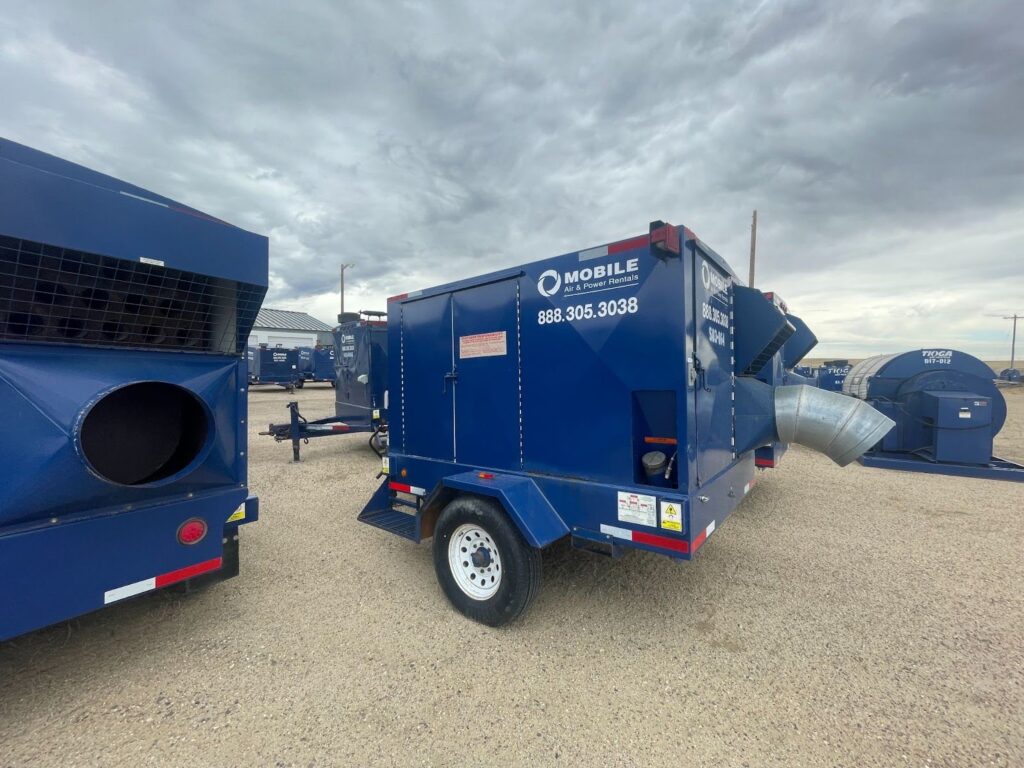
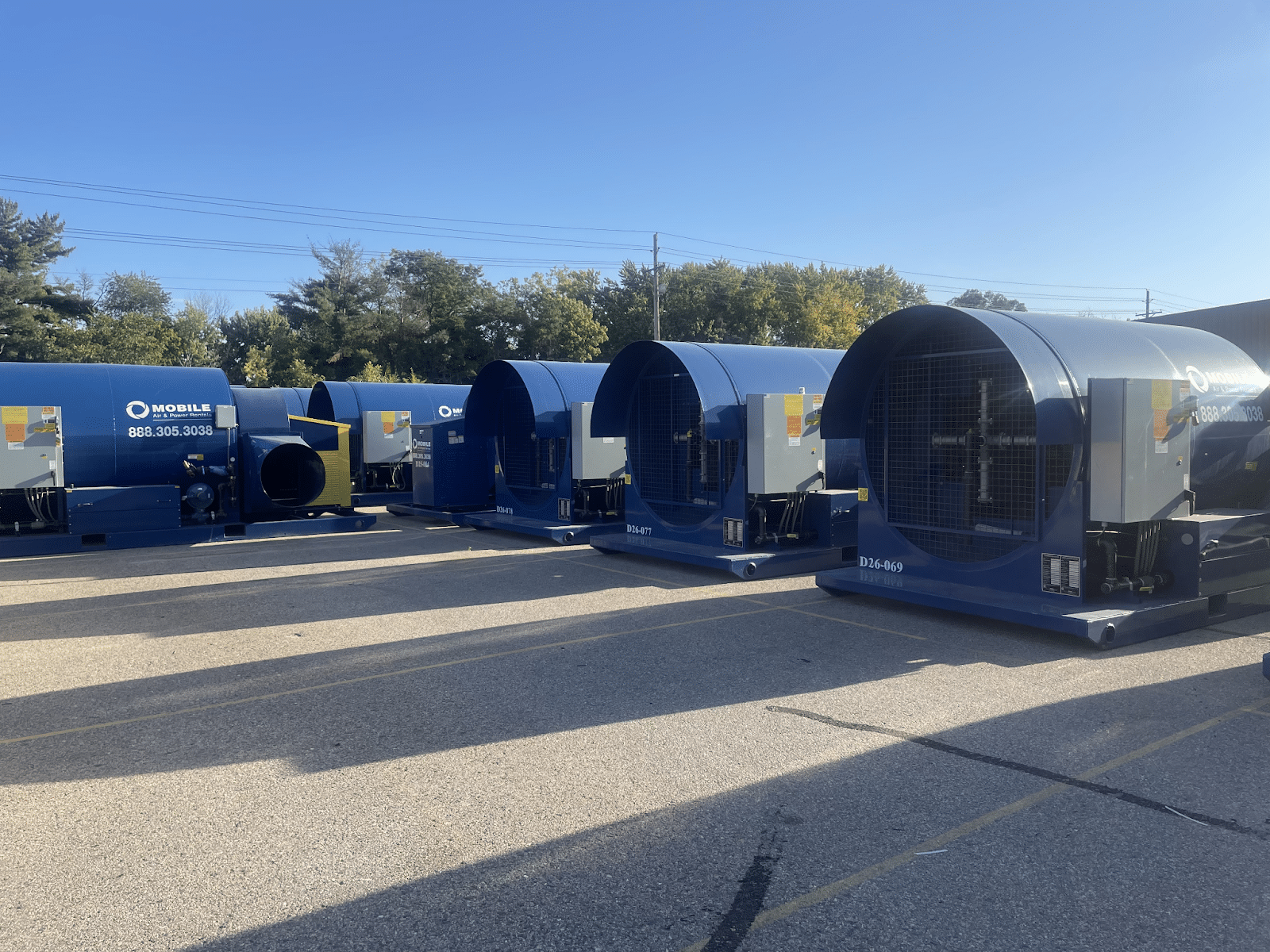
Different heating strategies are required for different types of facilities. High-output forced air heaters that circulate heat throughout large open warehouses are beneficial. In order to handle large cubic feet, a warehouse heater rental usually requires equipment that produces 500,000 BTU or more.
Indirect-fired heaters that generate clean air without combustion byproducts are frequently used in manufacturing facilities. These units uphold air quality regulations and safeguard delicate processes. They function well in areas where employees spend a lot of time or where emissions may have an impact on products.
Compact heating solutions that fit into small spaces and safeguard pipes and equipment are necessary for utility buildings and mechanical rooms. Smaller electric or propane units perform well in these settings as they offer focused warmth without overpowering cramped spaces.
For facilities with evolving needs, portable heating units provide flexibility. As needs change, relocate them. When some zones require more attention, reroute capacity. Depending on the weather and occupancy trends, adjust the heater. Temporary heating systems are available in a variety of configurations to suit your unique circumstances.
Ducting systems, complex controls, and numerous interconnected units are examples of industrial heating solutions for large-scale activities. These installations manage intricate heating problems in big buildings.
Safety, Monitoring, and Cost Control
Appropriate safety procedures are necessary for every heating installation. Keep a safe distance from heaters and be sure the combustion apparatus has enough ventilation. Never obstruct air intakes or exhaust ports. Where fuel-burning units are located, install carbon monoxide detectors.
In locations that are susceptible, keep a close eye on the temperature. Remote sensors and digital thermostats notify you of issues before pipes freeze. To ensure correct operation, check equipment on a regular basis. Keep an eye out for any unexpected noises, fuel leaks, or performance changes that might indicate a problem.
It takes careful planning to keep expenses under control while preserving security. Before it gets chilly, insulate any exposed pipes. Close down air leaks that allow cold air to enter buildings. Instead of raising the temperature of entire buildings, just use heaters when absolutely essential. Instead of overstocking equipment, look into facility HVAC rentals that meet your actual needs.
Preventive rental costs far less than emergency repairs and lost production. Budget for seasonal heating needs instead of scrambling when problems develop. Finally, establish relationships with rental providers before winter arrives so equipment is available when the weather turns severe.
Ready to protect your facility? Contact Mobile Air to discuss your heating needs and receive a customized recommendation.